Female fertility treatment · Thanjavur
PCOD & obesity management
PCOD can affect cycles, ovulation and fertility, and weight can play a part. Care combines evaluation, lifestyle and weight guidance, and fertility treatment where needed.
 Dr. Sangeetha BalamuruganFertility Specialist & Reproductive Medicine Specialist
About PCOD
Polycystic Ovary Disease (PCOD), also called Polycystic Ovary Syndrome (PCOS), is a common hormonal condition that can affect menstrual cycles, ovulation, and fertility. Women with PCOS may experience irregular periods, difficulty with ovulation, hormonal changes, or other symptoms that can vary from person to person.
When PCOD affects ovulation, it may make it more difficult to conceive. However, fertility concerns associated with PCOD can often be evaluated and managed with an individualised approach. Understanding the underlying factors is an important part of choosing appropriate care.
How PCOD can affect fertility
Ovulation is an important part of natural conception. In some women with PCOD, hormonal changes can interfere with regular ovulation, resulting in irregular or infrequent menstrual cycles.
This can make it harder to predict the fertile period and may reduce the number of opportunities for conception. The effect of PCOD on fertility varies between individuals, which is why a personalised assessment is important.
PCOD may be associated with:
- Irregular or infrequent menstrual periods
- Irregular ovulation
- Difficulty conceiving
- Hormonal imbalance
- Polycystic-appearing ovaries on ultrasound
- Symptoms related to increased androgen levels
Not every woman with PCOD experiences the same symptoms or fertility challenges.
Weight and fertility
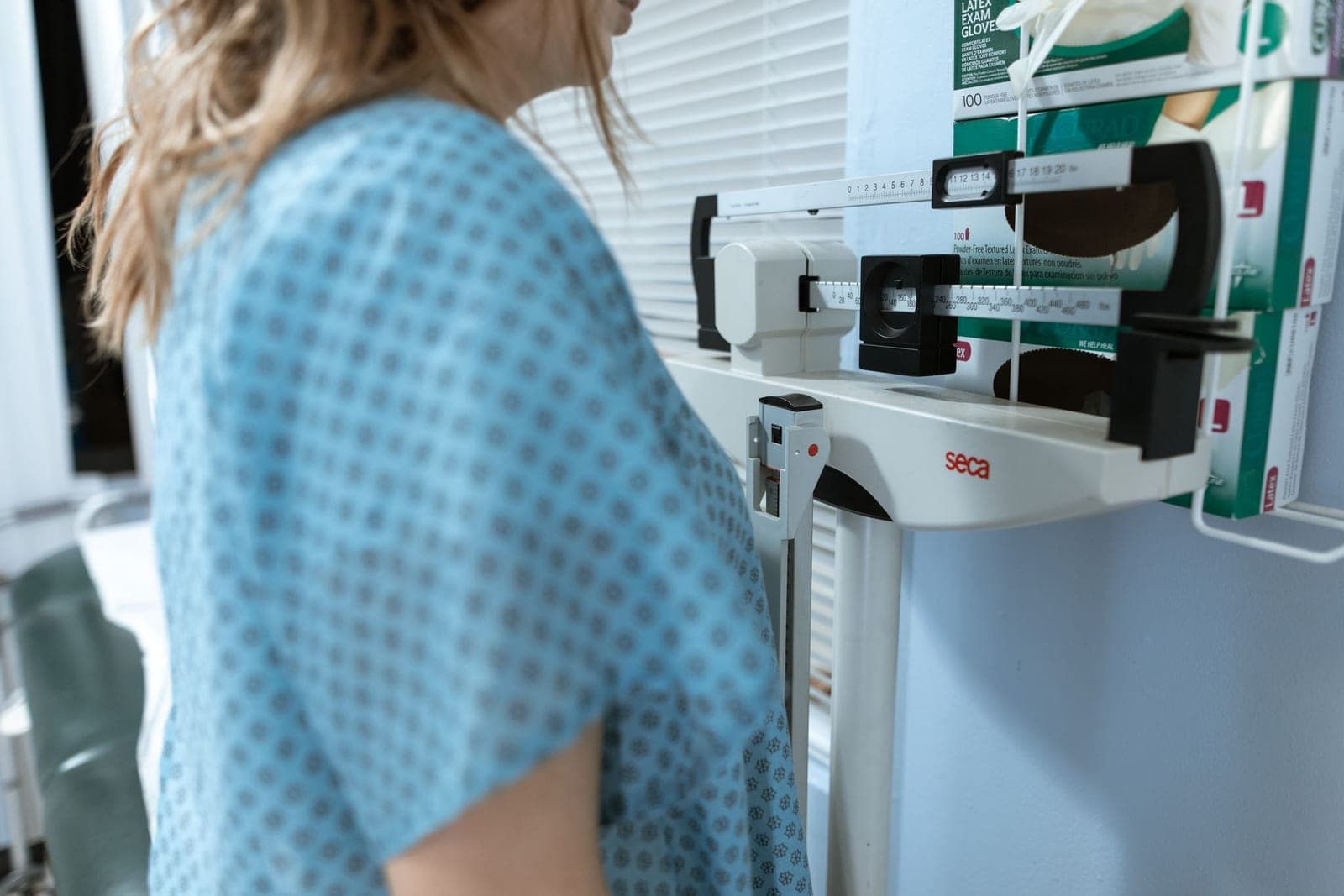
In many women with PCOD, excess weight can add to hormonal imbalance and irregular ovulation, and it can also affect general health and pregnancy. For some women, even a modest reduction in weight may help cycles become more regular.
Obesity management is planned around you and may include:
- Assessment of weight, waist measurement and blood pressure
- Blood sugar, insulin resistance and thyroid tests where appropriate
- Diet and physical-activity guidance
- Medication where clinically appropriate
- Regular follow-up
Weight is one part of the picture. Fertility treatment is not always delayed until a target weight is reached; the plan depends on your age and other fertility factors.
PCOD and fertility care
A fertility consultation can help assess how PCOD may be affecting ovulation and conception. Depending on individual circumstances, the evaluation may include a review of menstrual history, medical history, ultrasound assessment, and relevant fertility investigations.
The recommended approach depends on factors such as age, duration of trying to conceive, ovulation pattern, previous pregnancies, and other fertility factors.
Our approach may include:
- Evaluation
- Ovulation assessment
- Lifestyle and weight guidance
- Ovulation induction where needed
- Personalised treatment planning
Treatments & care
Other treatments and care
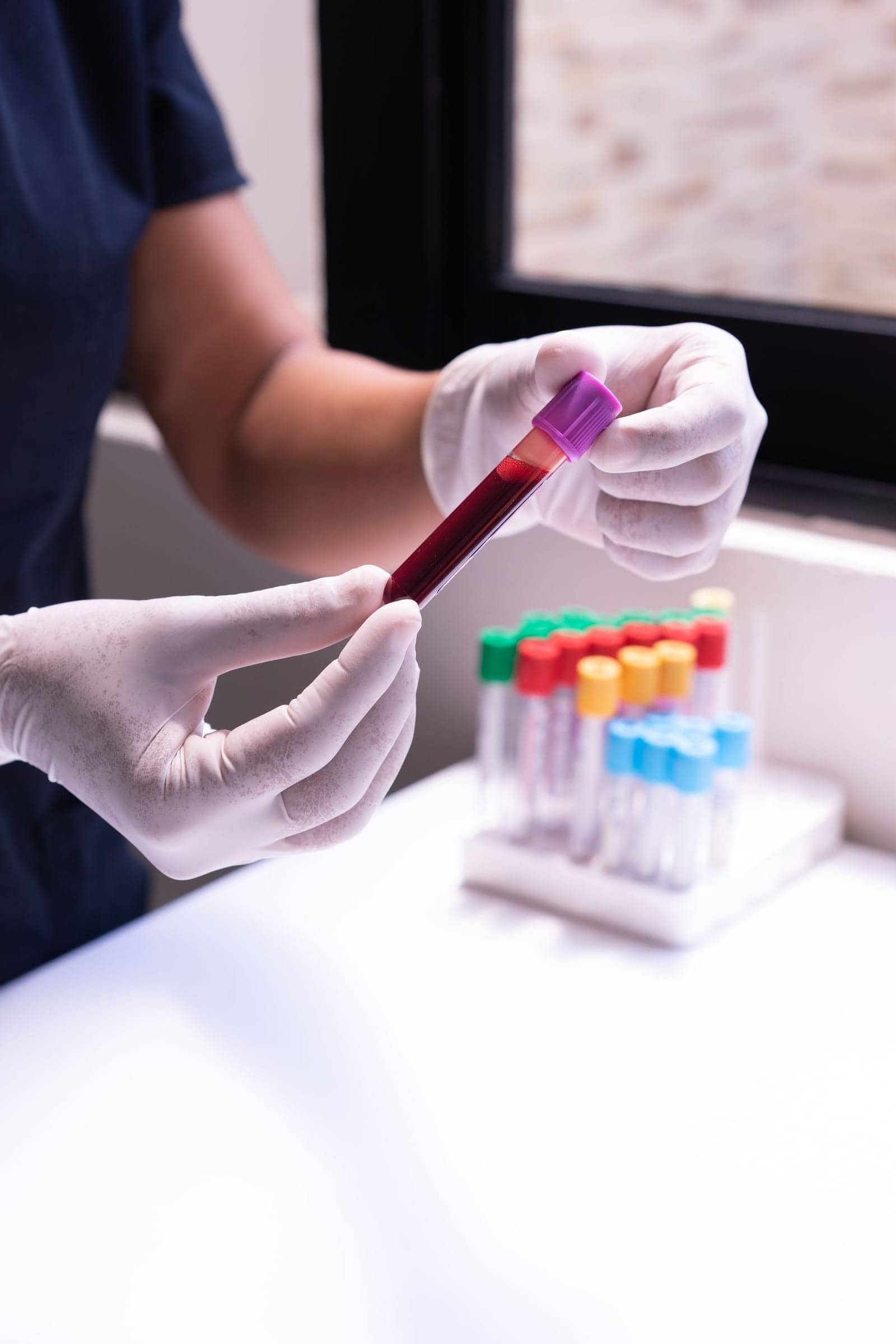 Hormonal analysisBlood tests for the hormones behind ovulation, ovarian reserve and the menstrual cycle.
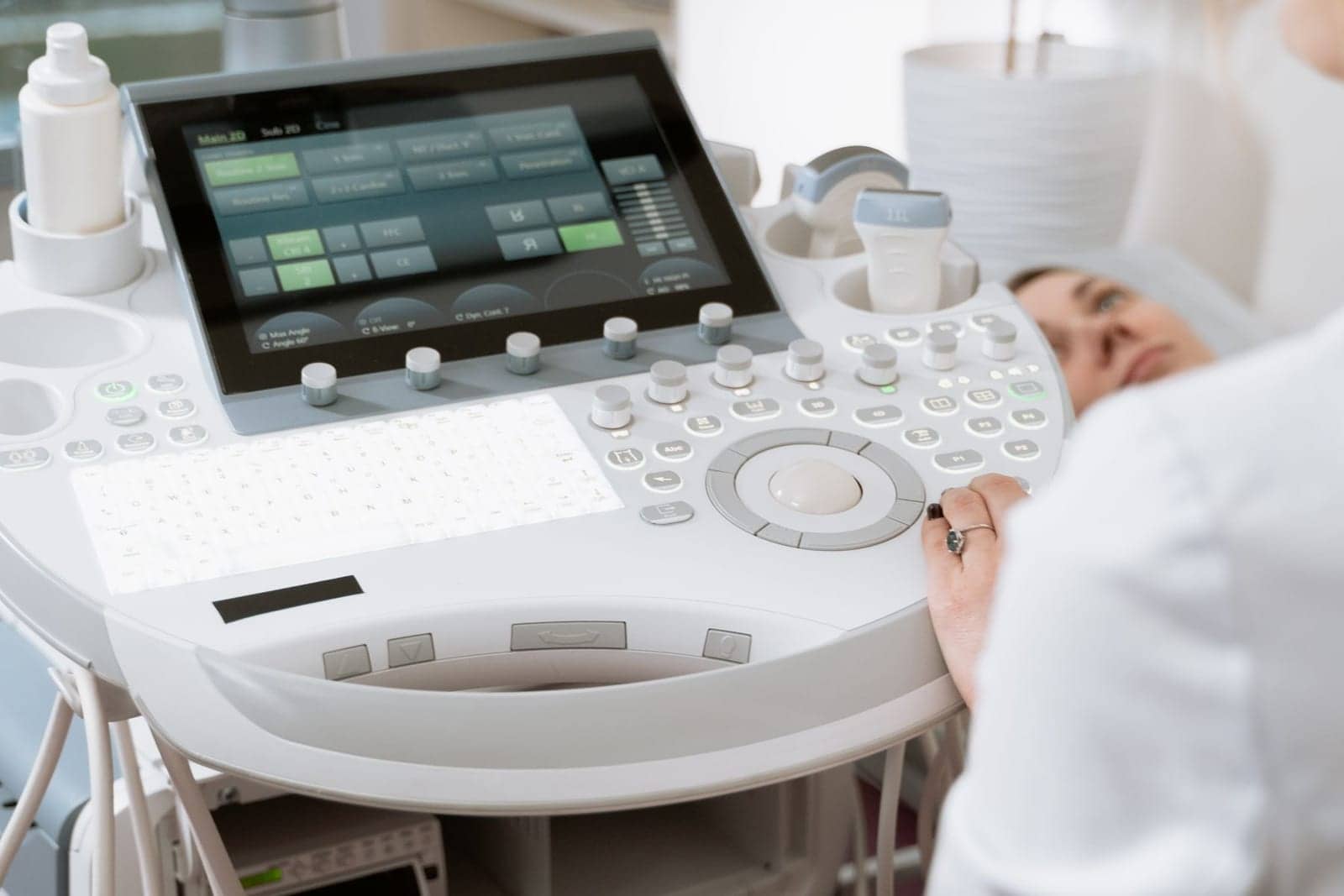 Ovulation inductionMedication and scan monitoring to help the ovaries develop and release an egg.
 IUIA minimally invasive treatment that places prepared sperm in the uterus around the time of ovulation.
 IVFIn-vitro fertilisation with personalised care and monitoring through every stage of treatment.
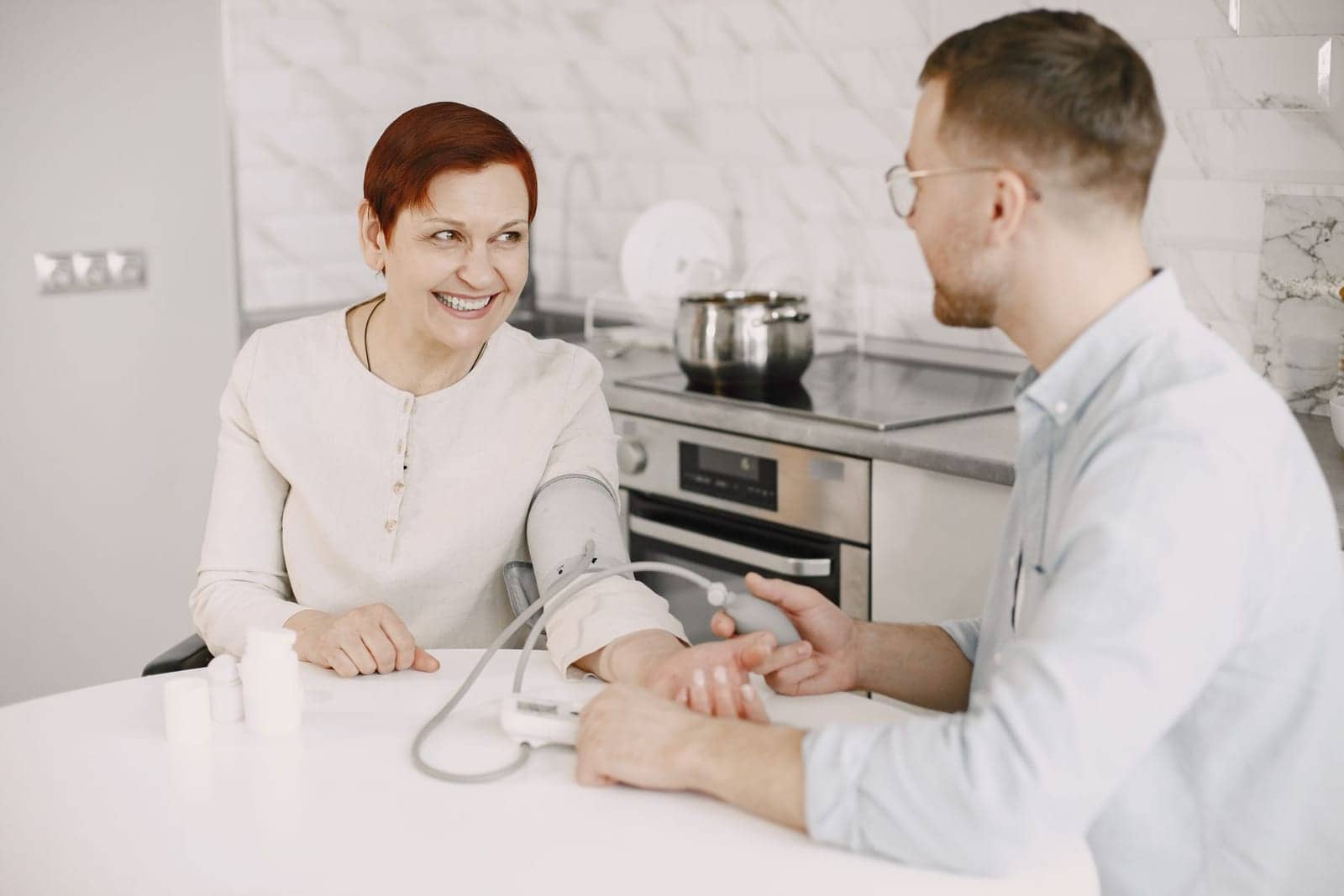 Master health checkup for womenA preventive health check for women: blood tests, scans and screening, reviewed with the doctor.
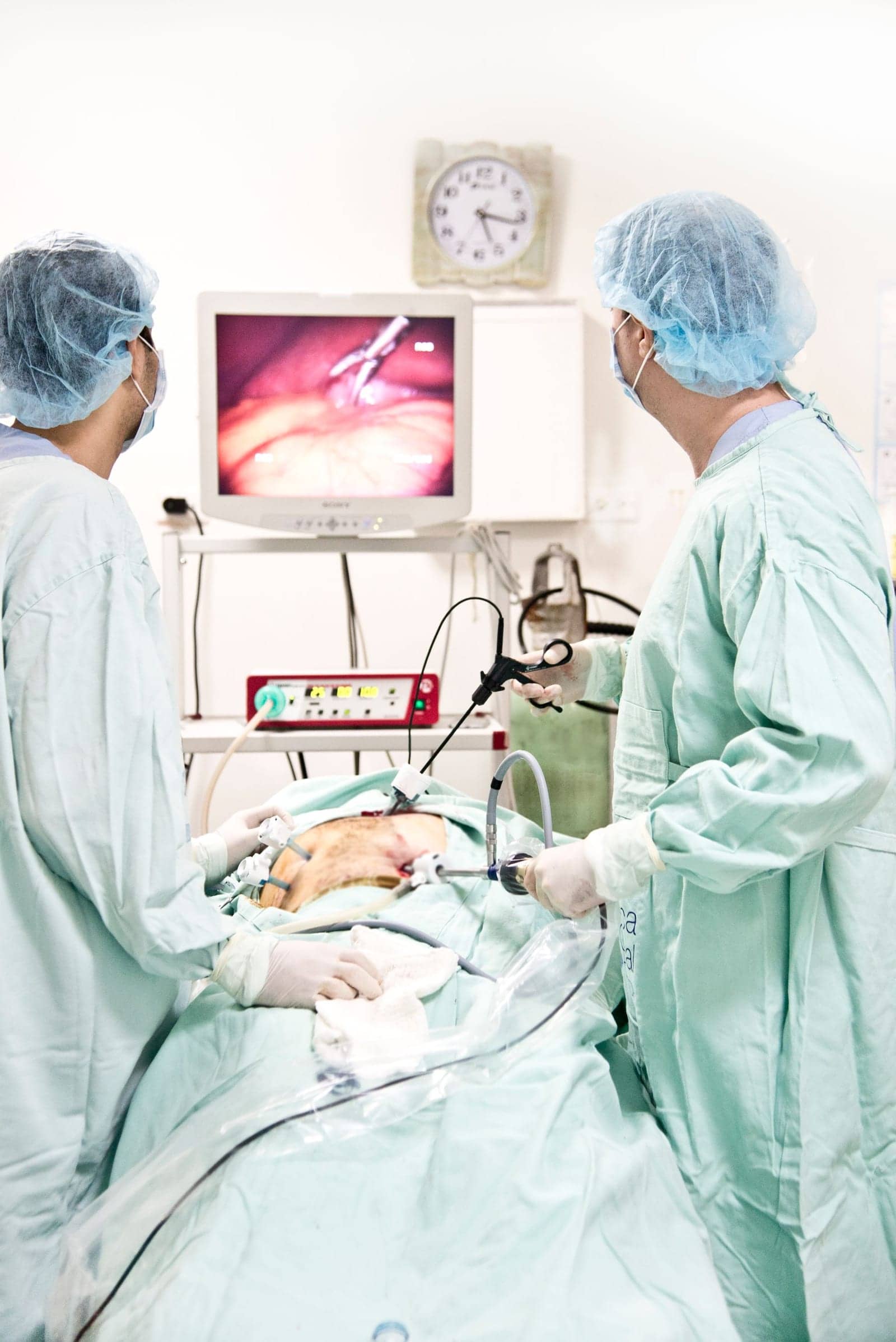 LaparoscopyKeyhole surgery to examine and treat the tubes, ovaries and pelvis, such as endometriosis or cysts.
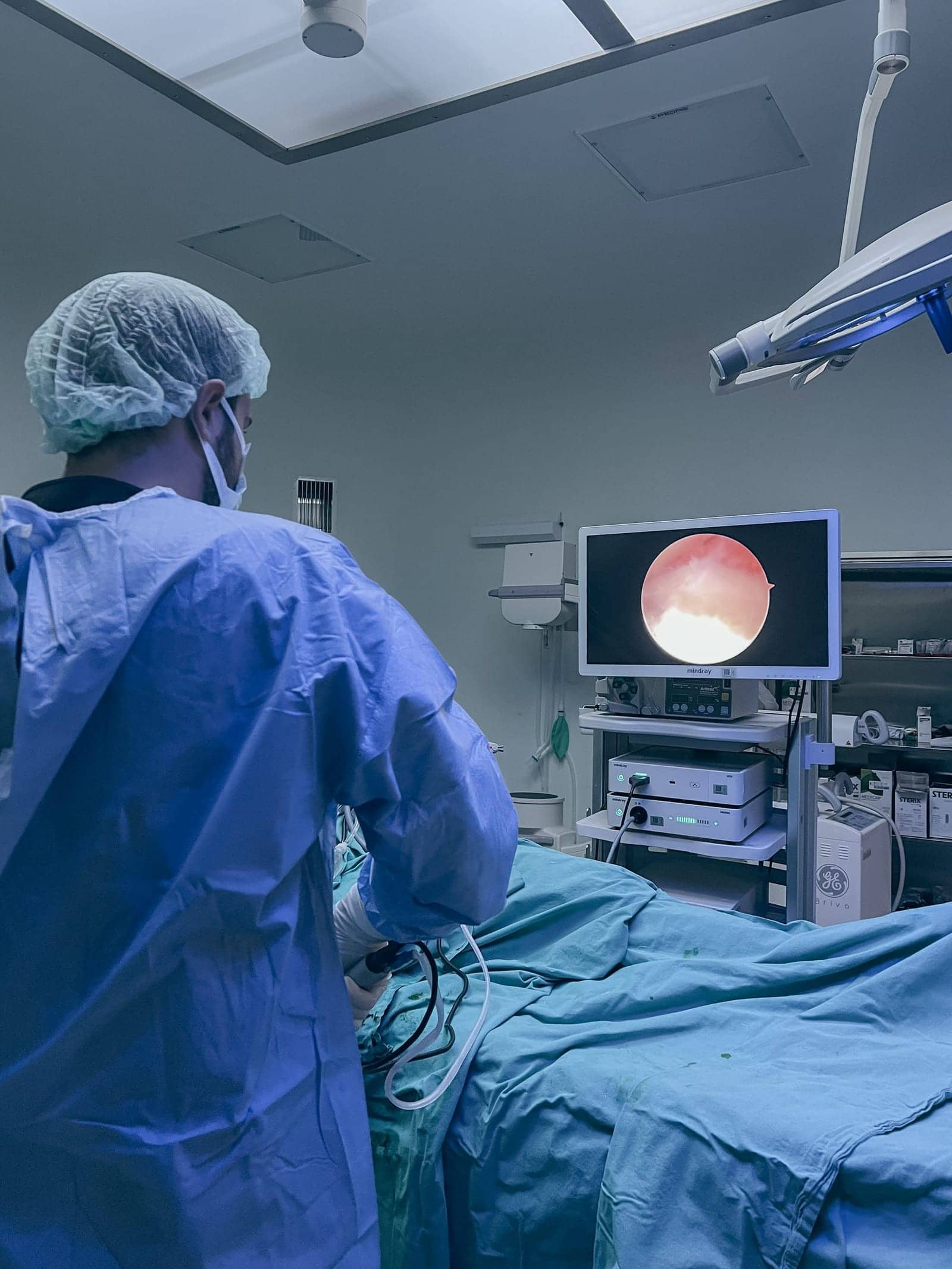 HysteroscopyA camera through the cervix to examine the uterus and treat polyps, fibroids or a septum.
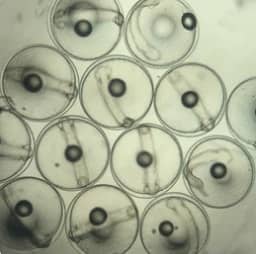 ICSIA single sperm is injected directly into an egg to help overcome certain male and female fertility challenges.
 Female fertilityDiagnosis and personalised treatment for PCOD, ovulation problems, endometriosis and other concerns.
 Second opinionAnother professional perspective on your diagnosis and previous treatment before your next step.
Questions
Questions about PCOD
Mon – Sat: 8:30 am – 5:00 pm · Sunday: by prior appointment only · Please contact us in advance to schedule your appointment.
Call +91 73589 75682Is PCOD the same as PCOS?
The two terms are commonly used for the same condition. PCOS (Polycystic Ovary Syndrome) is the term used in most medical guidelines.
What is PCOD?
PCOD, also called PCOS (Polycystic Ovary Syndrome), is a hormonal condition that can affect menstrual cycles and ovulation. Its symptoms and effects can vary considerably between women.
Can PCOD cause infertility?
PCOD can affect fertility, particularly when it causes irregular or absent ovulation. However, having PCOD does not mean that a woman cannot become pregnant.
Can I get pregnant naturally with PCOD?
Some women with PCOD conceive naturally, while others may need medical assistance depending on their ovulation and other fertility factors.
How does PCOD affect ovulation?
Hormonal changes associated with PCOD can interfere with the regular development and release of an egg, which may result in irregular ovulation.
What tests may be recommended for PCOD-related fertility concerns?
Depending on individual circumstances, a specialist may recommend medical evaluation, menstrual and ovulation assessment, ultrasound, hormonal investigations, and other fertility tests where appropriate
Does every woman with PCOD need IVF?
No. IVF is not automatically required for women with PCOD. Treatment depends on the individual's fertility assessment and whether other factors are affecting conception.
Do I have to lose weight before fertility treatment?
Not always. Weight loss can help some women with PCOD, but the right approach depends on your age, how long you have been trying and other fertility factors. Your specialist will advise on the balance between lifestyle changes and starting treatment.
Mon – Sat: 8:30 am – 5:00 pm · Sunday: by prior appointment only · Please contact us in advance to schedule your appointment.
Call +91 73589 75682Book a consultation
Ready to start your journey?
Call us to book a consultation with Dr. Sangeetha Balamurugan. Phone, address and opening hours are below.
Call to book
+91 73589 75682- Hours
- Mon – Sat: 8:30 am – 5:00 pmSunday: by prior appointment onlyPlease contact us in advance to schedule your appointment.
- Visit
- 2nd Floor, Dean Complex, Maris Corner, Thanjavur – 613001, Tamil NaduGet directions