
Female fertility treatment · Thanjavur
Embryo freezing
Embryos not transferred in an IVF or ICSI cycle can be frozen and stored, for a later transfer without another round of stimulation and egg collection.
 Dr. Sangeetha BalamuruganFertility Specialist & Reproductive Medicine Specialist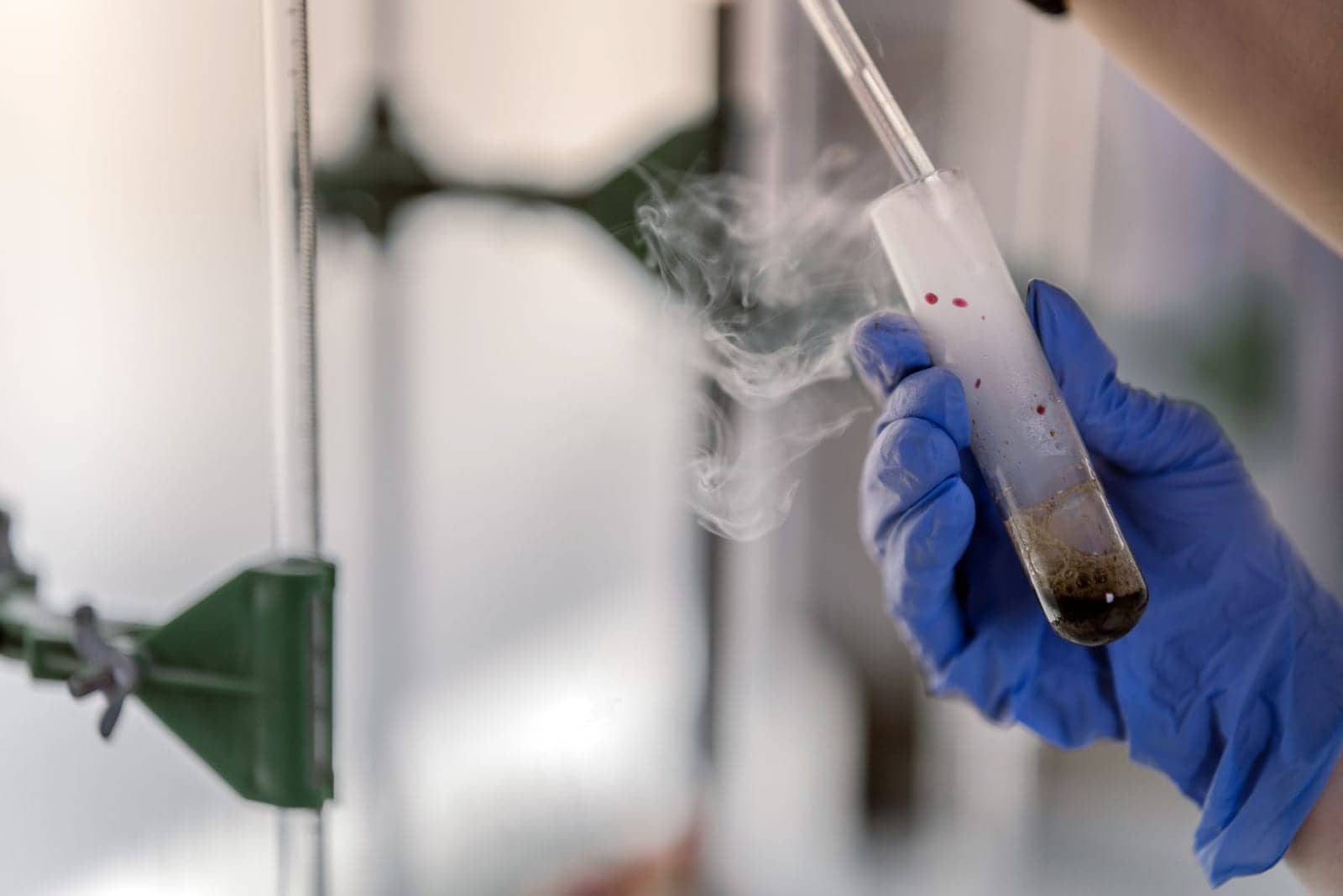
About embryo freezing
Embryo freezing (embryo cryopreservation) is the freezing and storage of embryos created during IVF or ICSI so that they can be used in the future. Embryos are commonly frozen by vitrification, a rapid-freezing method, and kept in liquid nitrogen until they are needed.
At Skanda Fertility & Women's Health Centre, Thanjavur, the option of freezing embryos is discussed with couples as part of planning their IVF or ICSI treatment.
When embryo freezing may be considered
Embryos may be frozen in situations such as:
- Good-quality embryos remain after a fresh transfer
- A fresh transfer is not advisable in that cycle, for example because of a risk of ovarian hyperstimulation
- The lining of the uterus is not ready at the time
- The transfer needs to be delayed for other medical reasons
- Planning a future pregnancy from the same cycle
- Preserving fertility before treatment that may affect it, in selected cases
Whether to freeze, and how many embryos, is decided with the couple based on the number and quality of the embryos and their plans.
How embryos are frozen and stored
The process generally involves:
Assessment of the embryos in the laboratory
Preparing suitable embryos and freezing them by vitrification
Labelling each embryo and storing it in liquid nitrogen
Storage for the period agreed in the couple's consent
Thawing when the couple is ready for a frozen embryo transfer
Not every embryo is suitable for freezing, and not every frozen embryo survives thawing.
Consent and storage
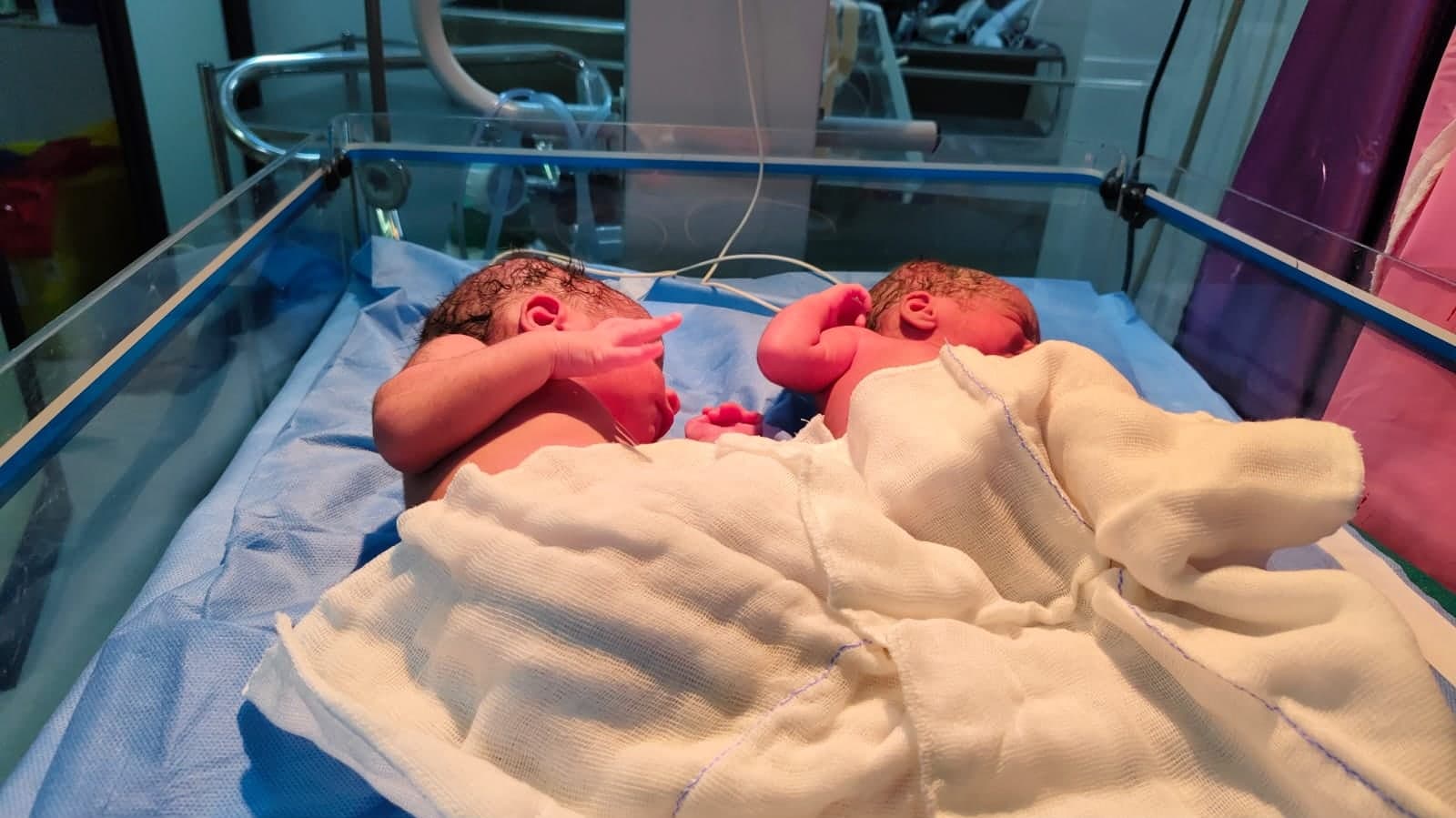
Freezing and storing embryos needs the written consent of both partners, including how long the embryos are to be stored and what should happen to them in future. In India this is governed by the Assisted Reproductive Technology (Regulation) Act, 2021.
The team can explain the process, the storage arrangements and the choices available to you.
Treatments & care
Other treatments and care
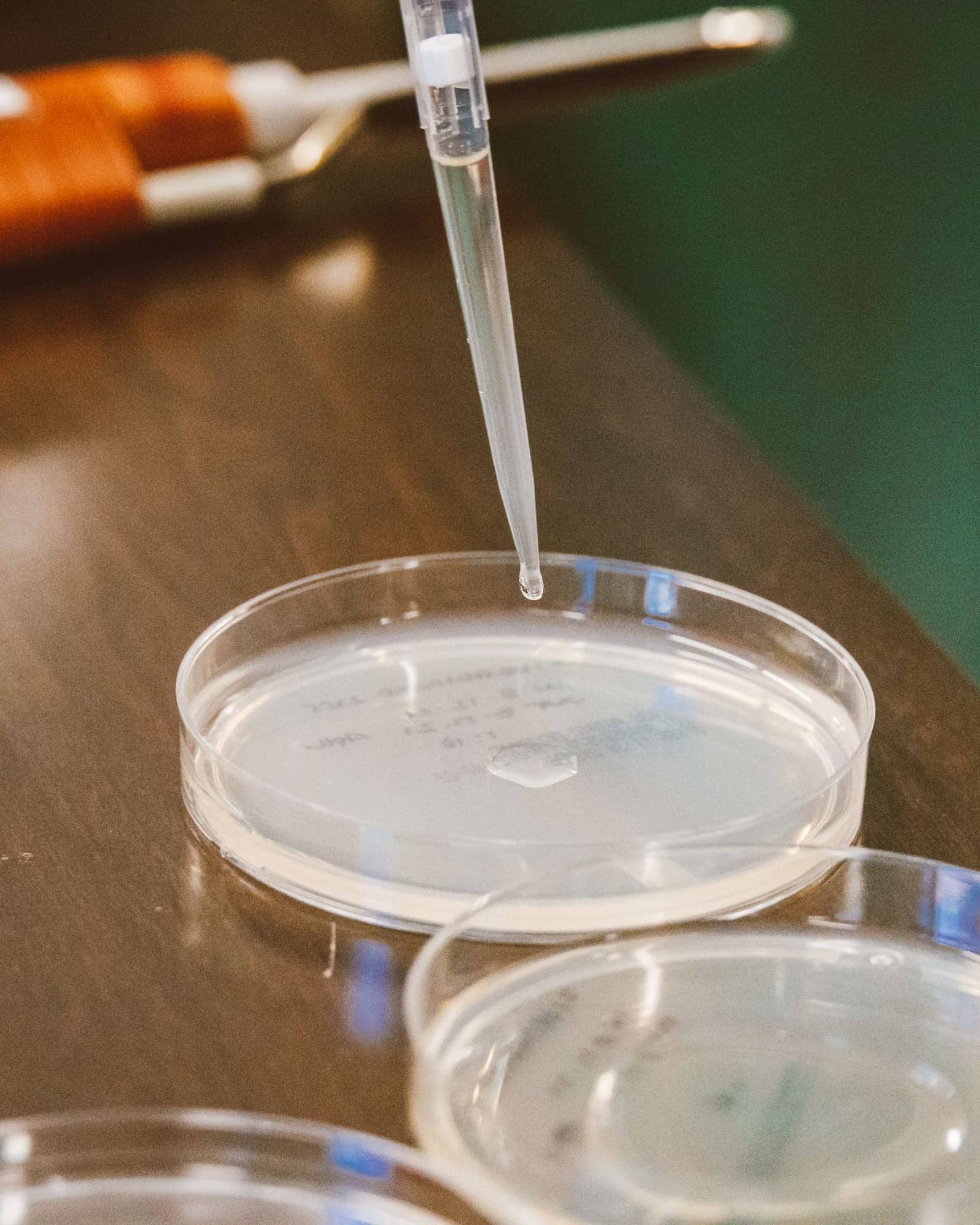 Frozen embryo transfer (FET)A frozen embryo thawed and transferred in a cycle prepared for implantation.
 IVFIn-vitro fertilisation with personalised care and monitoring through every stage of treatment.
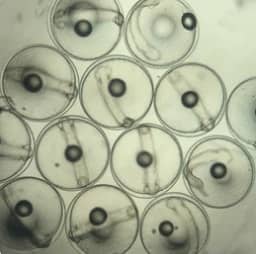 ICSIA single sperm is injected directly into an egg to help overcome certain male and female fertility challenges.
 Donor embryo transferTransfer of a donated embryo when neither partner's eggs nor sperm can be used.
 Donor ovumIVF with eggs from a donor, fertilised with the partner's sperm.
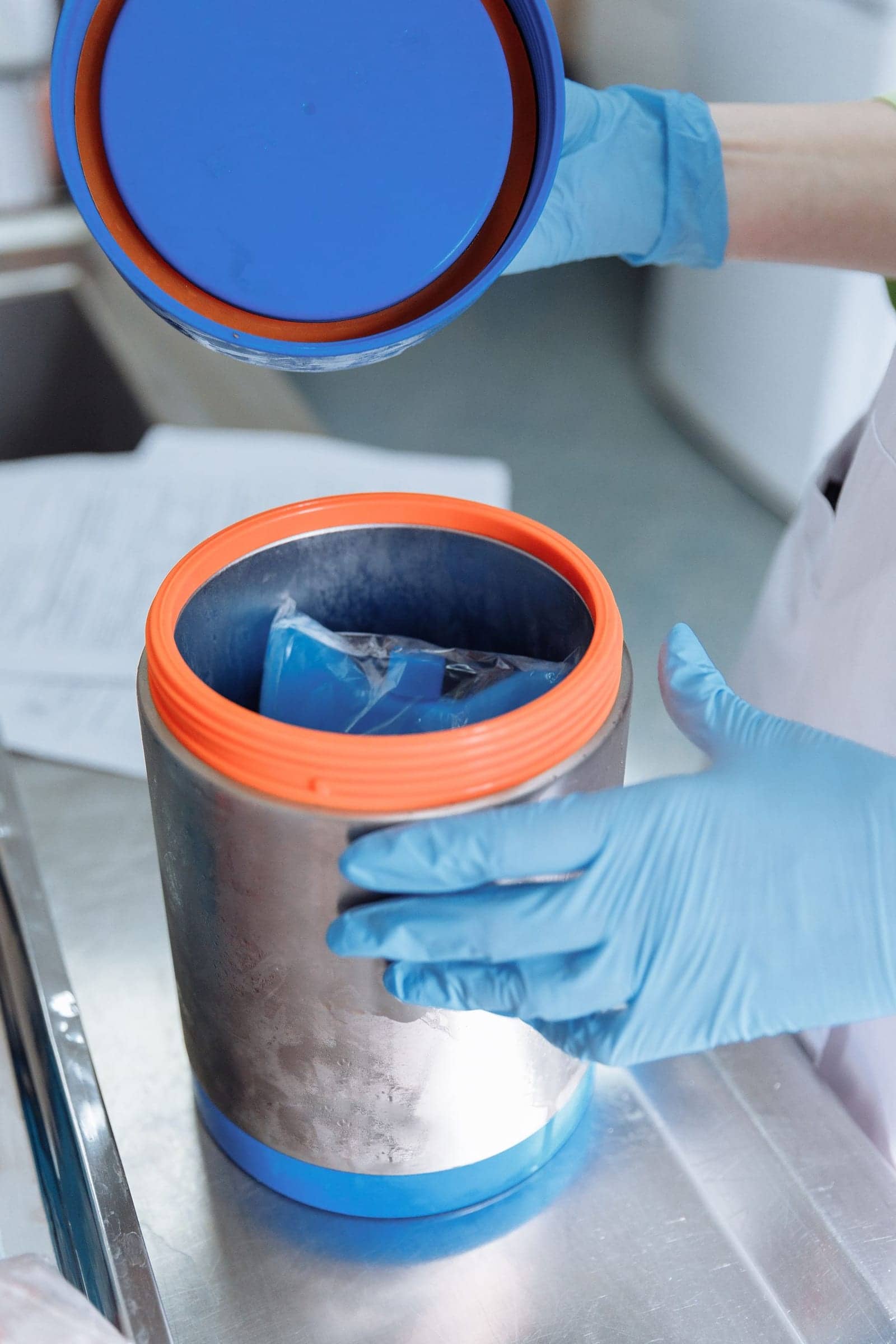 Sperm freezingSperm frozen and stored for later use in IUI, IVF or ICSI.
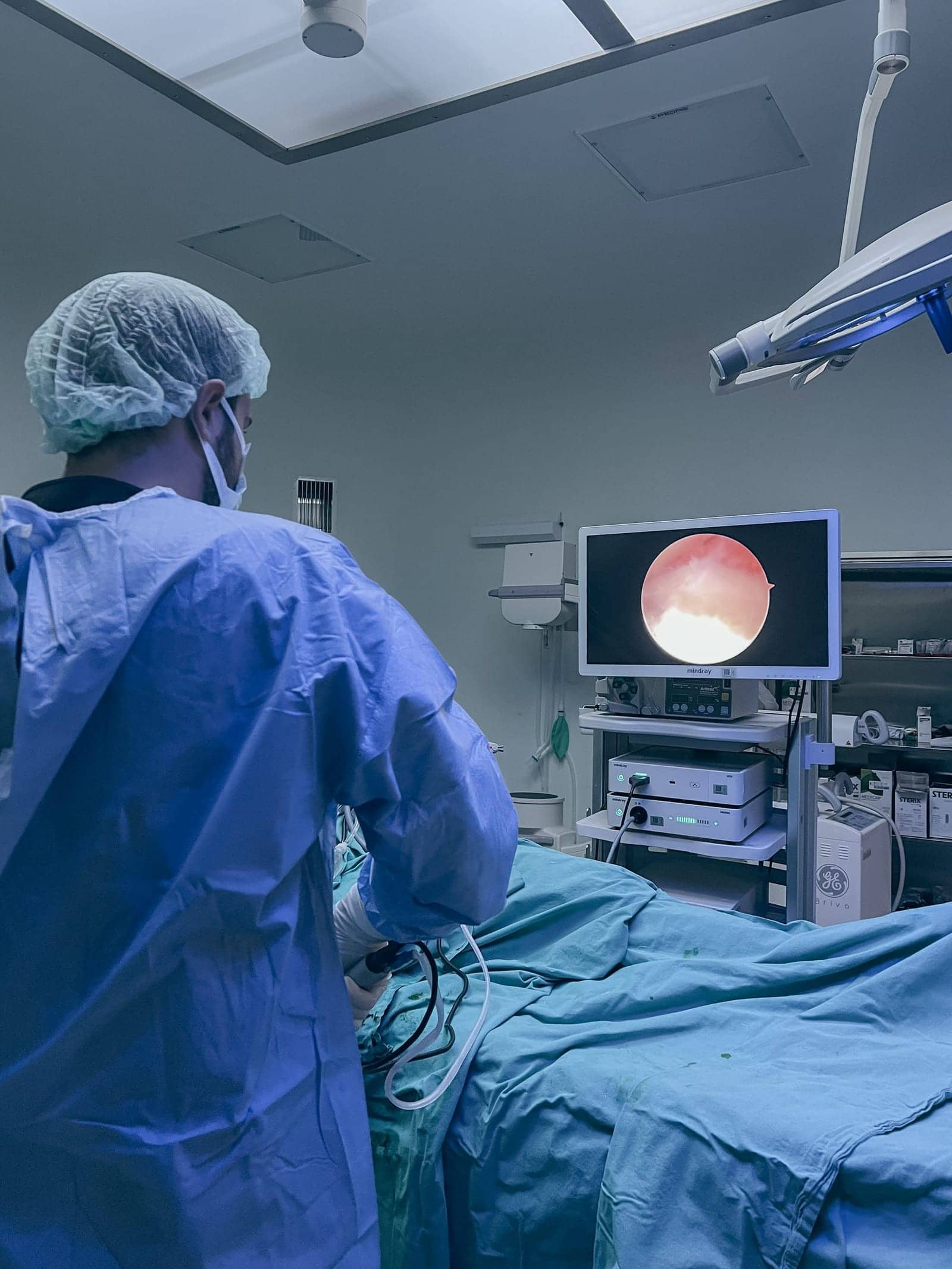 HysteroscopyA camera through the cervix to examine the uterus and treat polyps, fibroids or a septum.
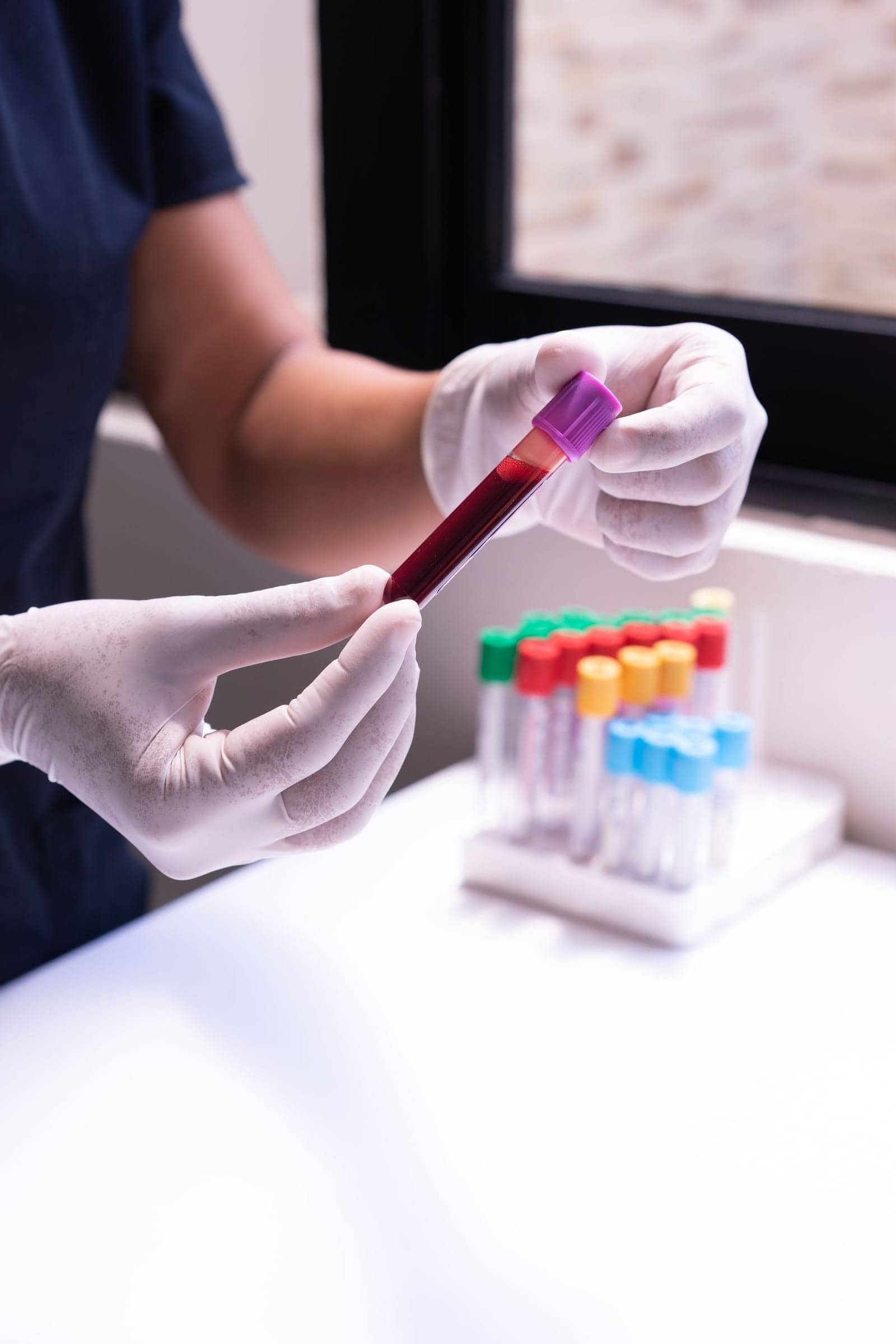 Hormonal analysisBlood tests for the hormones behind ovulation, ovarian reserve and the menstrual cycle.
 Female fertilityDiagnosis and personalised treatment for PCOD, ovulation problems, endometriosis and other concerns.
 Second opinionAnother professional perspective on your diagnosis and previous treatment before your next step.
Questions
Questions about embryo freezing
Mon – Sat: 8:30 am – 5:00 pm · Sunday: by prior appointment only · Please contact us in advance to schedule your appointment.
Call +91 73589 75682How long can embryos be kept frozen?
Embryos can remain viable for many years in liquid nitrogen. The storage period is agreed in your consent forms and follows Indian regulations.
Does freezing harm the embryo?
Most good-quality embryos survive vitrification and thawing, but survival cannot be guaranteed for every embryo. The team can discuss what to expect for your embryos.
Is a frozen embryo transfer as good as a fresh one?
Frozen embryo transfer is a well-established part of IVF treatment, and in some situations it may be preferred over a fresh transfer. Which is better for you depends on your treatment cycle.
What happens to embryos we do not use?
Your choices for unused embryos are recorded in your consent and can be discussed with the team. They may include continued storage, use in a later cycle or ending storage, within the limits of the law.
Mon – Sat: 8:30 am – 5:00 pm · Sunday: by prior appointment only · Please contact us in advance to schedule your appointment.
Call +91 73589 75682Book a consultation
Ready to start your journey?
Call us to book a consultation with Dr. Sangeetha Balamurugan. Phone, address and opening hours are below.
Call to book
+91 73589 75682- Hours
- Mon – Sat: 8:30 am – 5:00 pmSunday: by prior appointment onlyPlease contact us in advance to schedule your appointment.
- Visit
- 2nd Floor, Dean Complex, Maris Corner, Thanjavur – 613001, Tamil NaduGet directions